

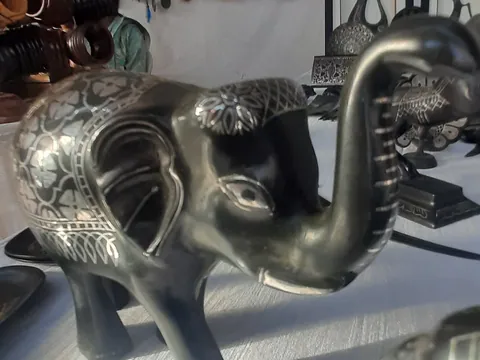
Lost wax, lasting memory: why Dhokra bell metal endures in Bastar's forest belt
Tracing the cire-perdue method through soil selection, beeswax preparation and the metallurgy that resisted industrial reproduction.
Journal
Dispatches on technique, place and the hand that made the piece. Written at the cluster, not from a press release.
14 stories, each one a craft: what the material is, how the work is done, and what to ask before you buy it.
Ordered as published. Section, reading time and author are the desk's own notes.
Tracing the cire-perdue method through soil selection, beeswax preparation and the metallurgy that resisted industrial reproduction.
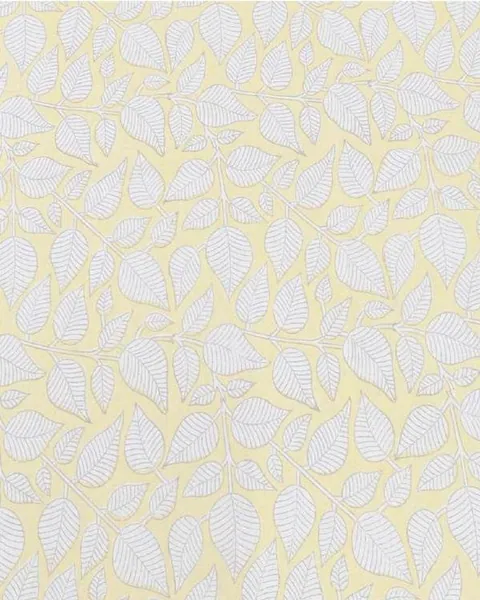
Why monsoon humidity slows Dabu block printing, and how mineral water and ferrous mordants decide the colour you receive.
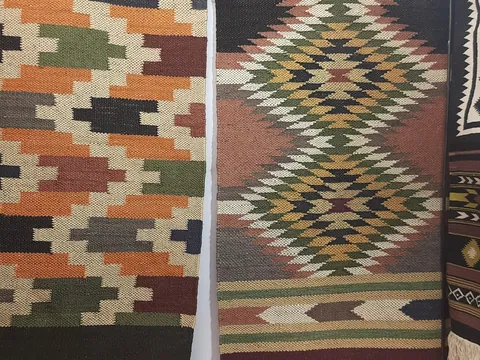
Knot density, pile height, backing behaviour and lead-time buffering when heritage looms meet a commercial fit-out.
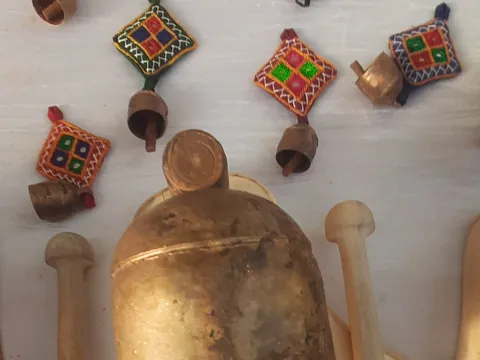
How a soft plantation wood, shellac resin and coloured lac sticks become turned objects that meet toy and tabletop safety standards.
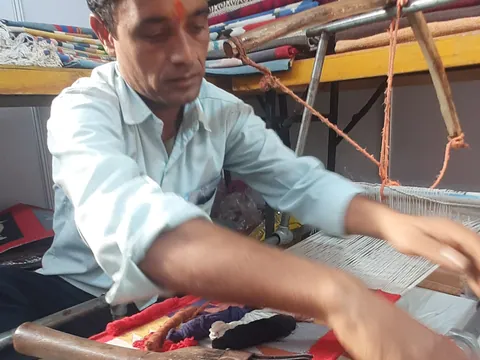
A plain look at milestone payment, raw material purchase and the gap between an ethical label and a changed cash cycle.

How the Changthangi goat produces its under-fleece, why it is combed out rather than shorn, and what a fibre test can and cannot tell you.
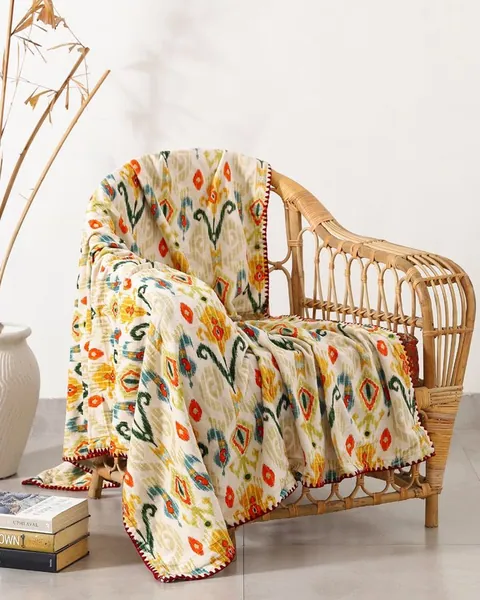
A binaural recording from a working brocade loom, and the count of hands it takes to make a pattern repeat appear.
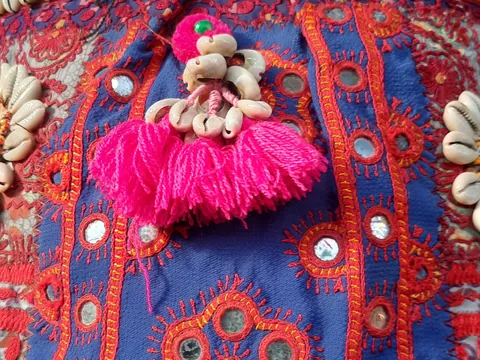
Kala cotton is short-stapled and difficult to spin. The pit loom is what makes it wearable, and the embroidery on top is a different craftsperson entirely.
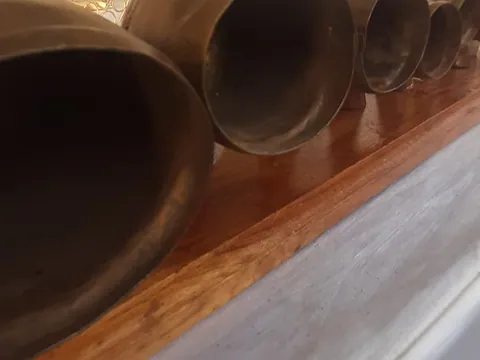
A cookware body made from crushed serpentine rock and weathered clay, moulded by hand, fired in an open stack and finished without any glaze at all.
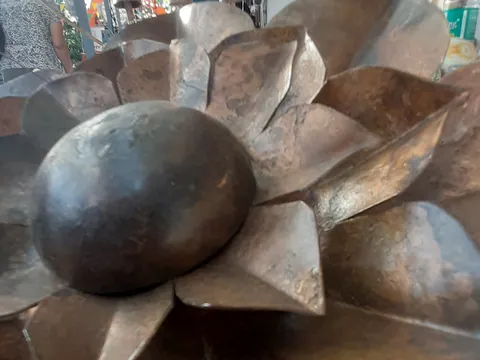
The difference between a spun bowl and a raised one, why annealing sits between every few passes of the hammer, and what to ask for before an outdoor order.
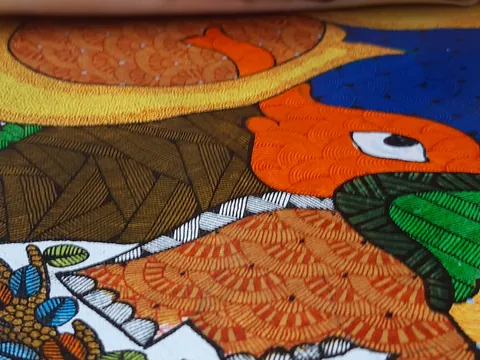
Two traditions that began as architecture, moved to paper for a market, and now come back as textiles. What to look for in a painted panel.

A turned-up toe, a white running stitch and a sole that was built rather than moulded. The technical reason a hand jutti is hard to size at scale.
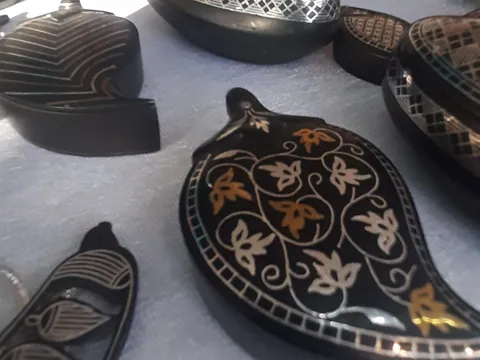
Bone and metal inlay, pierced lattice and painted borders look alike from a distance and are three different workshops, three prices and three lead times.
The craft belts hold the same kind of notes as these stories: what a supplier sheet actually states, what it leaves open, and the photograph behind each reference.
